Is Gooning Addictive?
Gooning is not officially classified as an addiction. It is an internet slang term, not a medical diagnosis. However, many people ask whether gooning can become addictive because it is often described as repetitive, immersive, and hard to stop once it begins.
To answer that question properly, it helps to look at how addiction and compulsion are understood in psychology and neuroscience, rather than focusing on the label itself.
What Addiction Means in a Clinical Context
In clinical psychology, addiction usually refers to a pattern of behavior that involves:
- Loss of control over the behavior
- Continued engagement despite negative consequences
- Strong urges or cravings
- Difficulty stopping even when a person wants to
Behavioral addictions do not require substances. Gambling disorder, for example, is recognized as a behavioral addiction because it activates reward systems in the brain in similar ways
American Psychiatric Association overview
Gooning does not appear as a diagnosis in manuals like the DSM-5 or ICD-11. That means it is not formally recognized as an addiction. Still, aspects of how people describe gooning overlap with research on compulsive and reward-driven behaviors.
Compulsive Sexual Behavior and Research Context
Researchers often study similar patterns under the term compulsive sexual behavior. This refers to persistent sexual thoughts or behaviors that feel difficult to control and may cause distress or interfere with daily life.
A major review published in World Psychiatry describes compulsive sexual behavior as involving heightened sensitivity to sexual cues and altered reward processing, while also noting that it remains a debated and evolving concept
https://pmc.ncbi.nlm.nih.gov/articles/PMC4677151/
Brain imaging studies have found that people who report compulsive sexual behavior can show increased activity in reward-related brain regions when exposed to sexual stimuli
https://pmc.ncbi.nlm.nih.gov/articles/PMC9295238/
These studies do not describe gooning specifically, but they help explain why some people experience strong pull or loss of control during repeated sexual stimulation.
The Role of Dopamine and Reinforcement
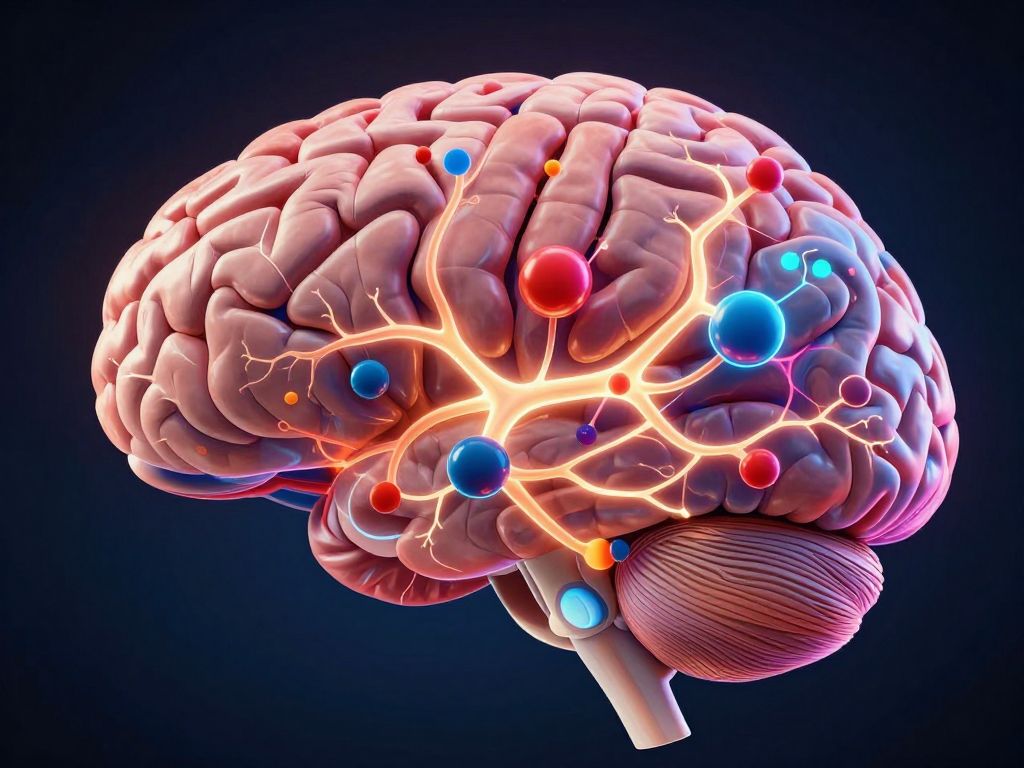
Dopamine plays a central role in motivation and learning. It helps the brain decide what is worth paying attention to and repeating.
Research on reward learning shows that repeated exposure to highly stimulating or novel rewards can strengthen reinforcement loops, making certain behaviors more compelling over time
https://pmc.ncbi.nlm.nih.gov/articles/PMC3358742/
In the context of sexual stimulation, novelty and repetition can both increase dopaminergic activity. This helps explain why long sessions can feel absorbing and why disengaging can sometimes feel difficult, especially when stimulation is continuous or escalating.
Importantly, dopamine involvement alone does not mean something is addictive. Many everyday activities rely on the same reward systems.
When Does Gooning Become a Problem?
For many people, gooning is a voluntary and occasional experience without negative consequences. For others, it may become concerning when patterns start to look like this:
- Regular loss of time awareness that interferes with work, sleep, or relationships
- Repeated attempts to stop or limit sessions that fail
- Using stimulation primarily to escape stress, anxiety, or low mood
- Feeling distress or shame after sessions
Medical organizations like the Mayo Clinic emphasize that compulsive sexual behavior is defined less by frequency and more by impact on daily functioning
https://www.mayoclinic.org/diseases-conditions/compulsive-sexual-behavior/symptoms-causes/syc-20360434
Addiction vs Habit vs Choice
It is useful to distinguish between three different concepts:
- Habit: A repeated behavior that happens automatically but remains easy to change
- Compulsion: A behavior that feels difficult to resist and causes distress
- Addiction: A pattern marked by loss of control and continued harm
Most people who describe gooning fall somewhere between habit and choice. A smaller subset may experience compulsive patterns that resemble behavioral addiction, especially when combined with stress, isolation, or heavy digital stimulation.
Researchers caution against over-pathologizing sexual behavior and stress that context, consent, and personal impact matter more than labels
https://pmc.ncbi.nlm.nih.gov/articles/PMC4500883/
Can Gooning Change the Brain?
The brain is plastic, meaning it adapts to repeated experiences. Studies on learning and reward show that repeated reinforcement can strengthen certain neural pathways over time.
However, there is no evidence that gooning causes permanent brain damage. Changes associated with reward learning are generally reversible, especially when behavior patterns change and stimulation becomes more balanced
https://www.nature.com/articles/npp201219
This is why researchers focus on behavior patterns and outcomes rather than assuming harm based on the activity itself.
When to Seek Help
If someone feels that gooning or any sexual behavior is:
- Causing distress
- Interfering with daily life
- Feeling out of control
- Used primarily to cope with emotional pain
Then speaking with a mental health professional can be helpful. Many clinicians approach these issues using frameworks related to impulse control, stress regulation, and habit change rather than moral judgment.
Summary
- Gooning is not officially classified as an addiction
- Research on compulsive sexual behavior provides useful context for understanding loss of control
- Dopamine and reward learning help explain why prolonged stimulation can feel compelling
- Frequency alone does not define a problem; impact and control matter most
This article is intended for educational and informational purposes only and does not replace professional medical advice.